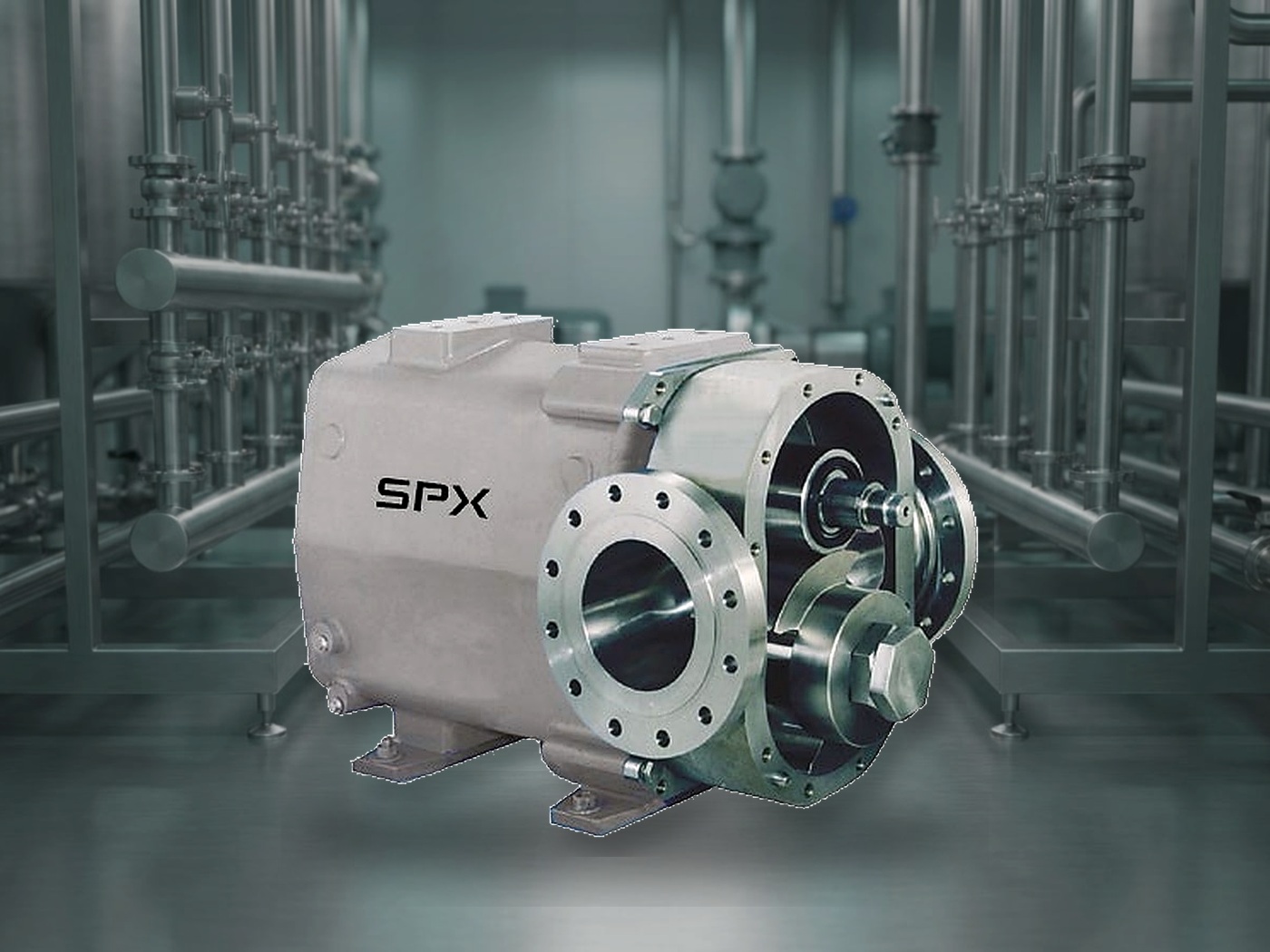
Where the Universal 2 ND fits: fluids, applications, and selection clues
The U2 ND is not the answer to every industrial pumping problem. That matters. Good pump selection is application-specific. This one is built for the jobs where viscosity, pressure, shear, seal selection, and service life all matter at once.

When a fluid is easy to handle, pump selection is usually straightforward. When viscosity climbs or temperature changes the product, the Triplex Viscosity Reference Guide helps frame the sizing conversation before anyone picks a model. Water-like liquids at moderate pressure generally do not need a rotary positive-displacement pump. The Universal 2 ND enters the conversation when viscosity, shear, chemistry, or pressure makes the fluid challenging to handle with simpler equipment.
That usually means the product is thick, sticky, abrasive, chemically aggressive, sensitive to shear, hard to prime, variable from batch to batch, or expensive enough that damage and downtime hurt quickly.
If you missed the overview, start with Post 1. If you want the rotor, seal, and sizing details, jump to Post 3.
Fluid clues that point toward a U2 ND pump
Viscosity is doing real work
Resins, adhesives, gels, slurries, starches, polymers, and other thick products need displacement, not an assumption.
Shear matters
If the product changes when it is overworked, rotor geometry and pump speed become part of quality control.
Solids or abrasives are present
Pigments, fillers, crystals, and soft particulates demand slower speed, correct clearances, and good material choices.
The chemistry is not friendly
Acids, bases, solvents, and specialty blends need compatible wetted materials, O-rings, and seal faces.
Flow needs to track speed
Positive displacement gives a predictable relationship between RPM and flow, once slip and system conditions are accounted for.
Downtime is expensive
When a failed seal or worn stator stops production, serviceability and parts support are not small details.
Common industrial applications
Typical industrial duties include adhesives, coatings, inks, resins, polymers, detergents, slurries, specialty chemicals, starches, solvents, acids, and alkaline products. The common thread is not the industry label — it is the combination of viscosity, chemistry, solids, shear sensitivity, pressure, and seal life.
The U2 ND is a natural candidate in formulated chemical and industrial blending environments. On Triplex projects, the conversation often starts with a customer who is fighting an existing technology: too much slip, not enough pressure, poor seal life, excessive wear, or product damage.
| Application family | Why the pump choice matters | What to verify before sizing |
|---|---|---|
| Adhesives & sealants | Often viscous, sticky, and shear-sensitive. | Viscosity at pumping temperature, suction conditions, and cleaning method. |
| Paints, coatings & inks | Pigments and fillers can be abrasive; consistency matters. | Abrasive load, desired speed, seal face materials, and flushing plan. |
| Resins & polymers | Viscosity can move dramatically with temperature and batch conditions. | Temperature range, vapor pressure, startup conditions, and allowable shear. |
| Detergents & slurries | Solids, surfactants, and viscosity shifts can punish pumps that need lubrication from the product. | Particle size, solids concentration, and whether the pump may see dry-run events. |
| Specialty chemicals | Material compatibility and seal selection drive uptime. | Full chemical name, concentration, temperature, elastomer compatibility, and cleaning chemistry. |
Where the U2 ND makes sense — and where it probably does not.
Strong fit
- Viscous transfer or controlled feed service.
- Shear-sensitive or product-quality-sensitive fluids.
- Industrial stainless PD service up to the published pressure range.
- Applications that need seal, elastomer, port, and rotor-clearance flexibility.
- Plants replacing a worn or poorly matched PD pump and wanting a serviceable platform.
Look elsewhere first
- Thin, clean, high-flow liquids where a centrifugal pump is simpler and cheaper.
- Very high-pressure metering or dosing beyond rotary lobe territory.
- Applications where sanitary or high-purity requirements are the primary driver.
- Large hard solids that exceed the pump’s passage and clearance limits.
- Any service where the fluid details are unknown. Guessing is not sizing.
What Triplex needs to size it correctly
A model number alone is not a pump selection. Start with the Pump Application Datasheet so Triplex has the duty point, fluid details, temperature range, cleaning method, and current-pump problem in one place.
Then tighten the assumptions before sizing. If the piping is long, restrictive, or full of fittings, run the Friction Loss Calculator before blaming the pump. If viscosity changes with temperature, use the Viscosity Reference Guide to describe the product in operating conditions. If chemistry is part of the risk, check the Chemical Compatibility Guide before seal faces and elastomers are selected.
To size and configure a U2 ND correctly, we need the process conditions that actually define the duty:
| Needed information | Why it matters |
|---|---|
| Flow rate | Sets displacement and speed range. |
| Viscosity at temperature | Drives slip, horsepower, suction limits, and speed. |
| Differential pressure | Determines model suitability, seal load, and horsepower. |
| Temperature range | Affects clearances, elastomers, seals, and expansion. |
| Chemistry / concentration | Determines wetted material, O-ring, and seal-face compatibility. |
| Solids / abrasives | Impacts speed, clearances, coatings, and wear expectations. |
| Cleaning method | Influences seal plan, ports, and whether a sanitary platform is more appropriate. |
With that information, we can compare the U2 ND against alternatives instead of forcing it into the quote. Sometimes it wins. Sometimes the honest answer is another pump. That is the point of doing selection properly.
U2 ND FAQs
What fluids are a good fit for the Universal 2 ND?
The U2 ND is worth reviewing for viscous, sticky, shear-sensitive, abrasive, particulate-laden, chemically aggressive, or non-lubricating industrial fluids where controlled positive-displacement flow is useful.
What information does Triplex need to size a U2 ND?
Triplex needs flow rate, viscosity at pumping temperature, differential pressure, temperature range, fluid chemistry, solids or abrasives, suction conditions, cleaning method, and current-pump problems if a pump is already installed.
When is the U2 ND probably not the right pump?
Thin, clean, high-flow liquids often belong on a centrifugal pump. Very high-pressure metering, large hard solids, or sanitary/high-purity processes may point to a different pump platform.
Send the duty point. We’ll help decide if the U2 ND belongs there.
Triplex Sales can review your current pump, process fluid, and operating conditions, then recommend a Waukesha configuration or a better-fit alternative.

